Photography
How motion design makes modern digital brands feel more alive
A good horse in a bad photograph loses to an ordinary horse in a good one. The difference is decided the week before, not on the day.
Date:
Melusi Ndoro
A well-bred horse in a bad photograph loses to an ordinary one in a good photograph. This is unfair and completely reliable.
The difference is almost never the camera. It is whether anybody decided, in advance, what the day was for.
Most yards do not have a photography problem. They have a direction problem, and it costs them a season at a time.
There are thousands of images on the average yard's phone and perhaps six that could carry a page. The rest were taken because somebody was standing there, not because somebody had decided what was needed.
A shoot without a brief produces coverage. A shoot with one produces a set, and a set is what a brand runs on for a year.
Decide what the images are for
Before anything else, name the pages the images have to fill. A stallion page, a sale listing, a season campaign and a trade stand all want different frames.
The moment that list exists, most of the decisions make themselves: the crop, the background, whether a handler is in shot, how much room to leave for type.
Shooting first and choosing afterwards is how yards end up with volume and no set.
The shot list, written from the horse
Every horse has an angle that flatters him and one that does not, and the person who knows which is the person who handles him daily, not the photographer.
So the list is written in the yard, with the person who knows the horse, before anyone books a date.
The conformation shot, square, from his better side
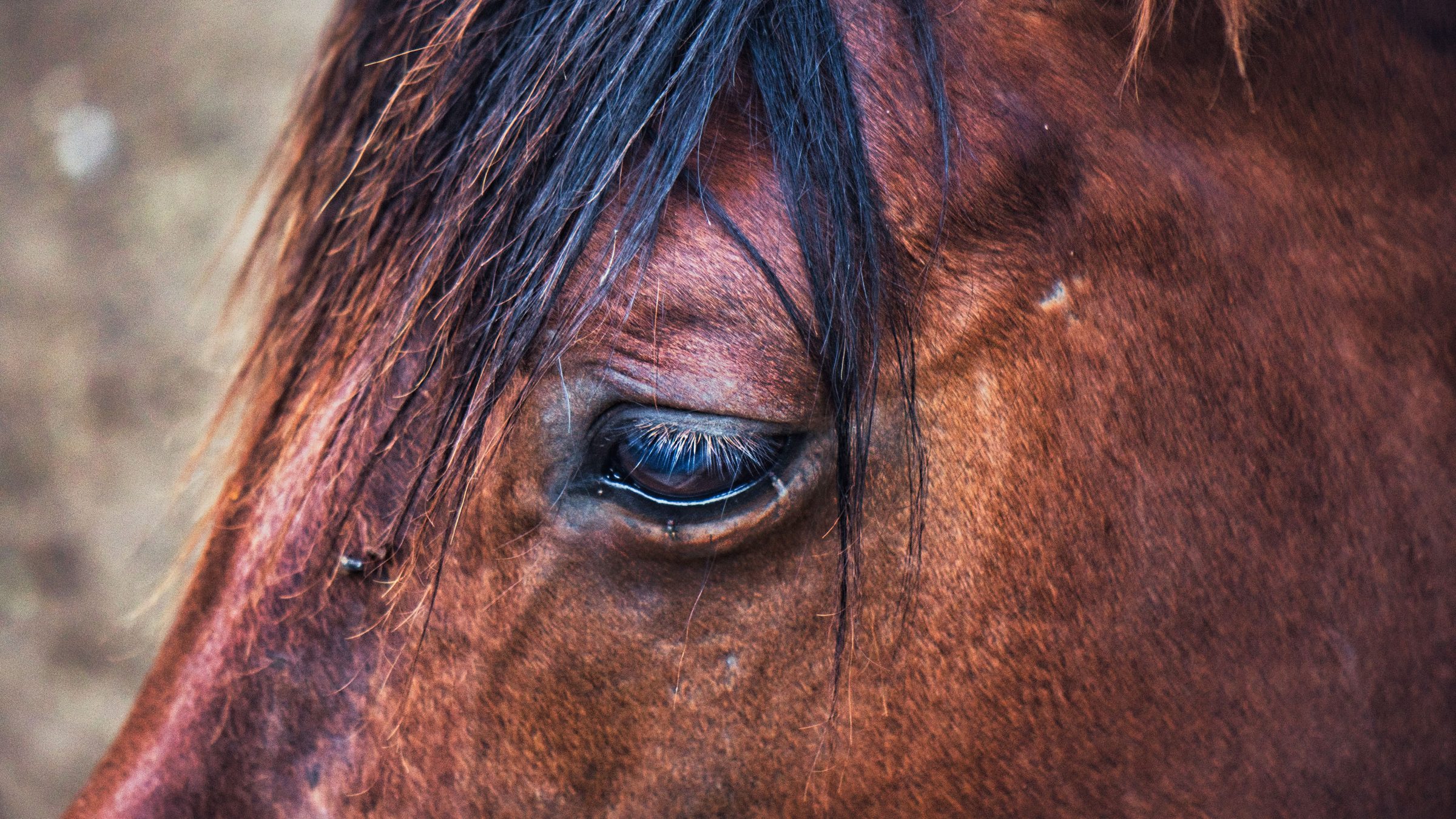
The head study, close, in soft light
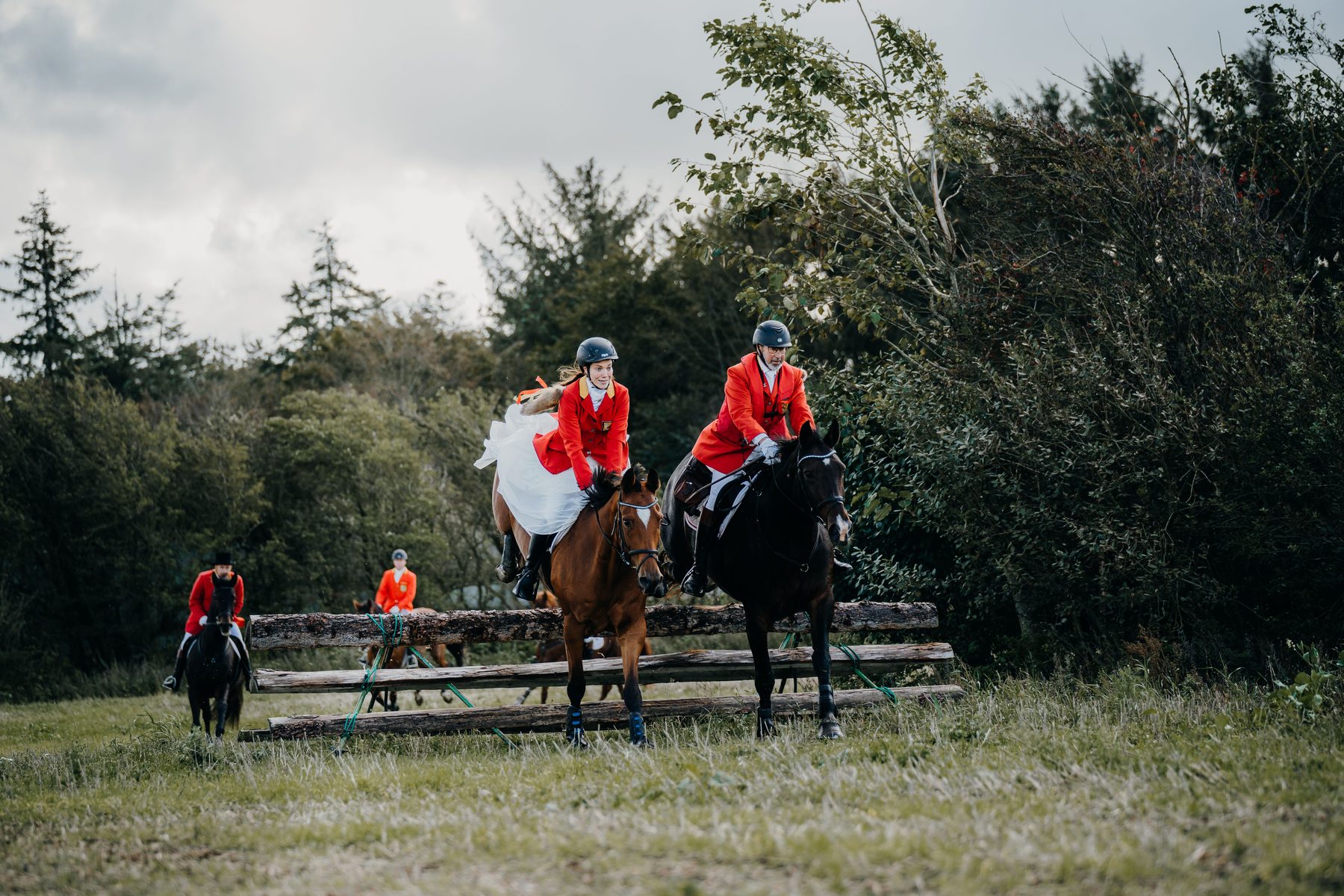
Movement, loose, at trot and at canter
Detail: the eye, the hoof, the stitching on the bridle
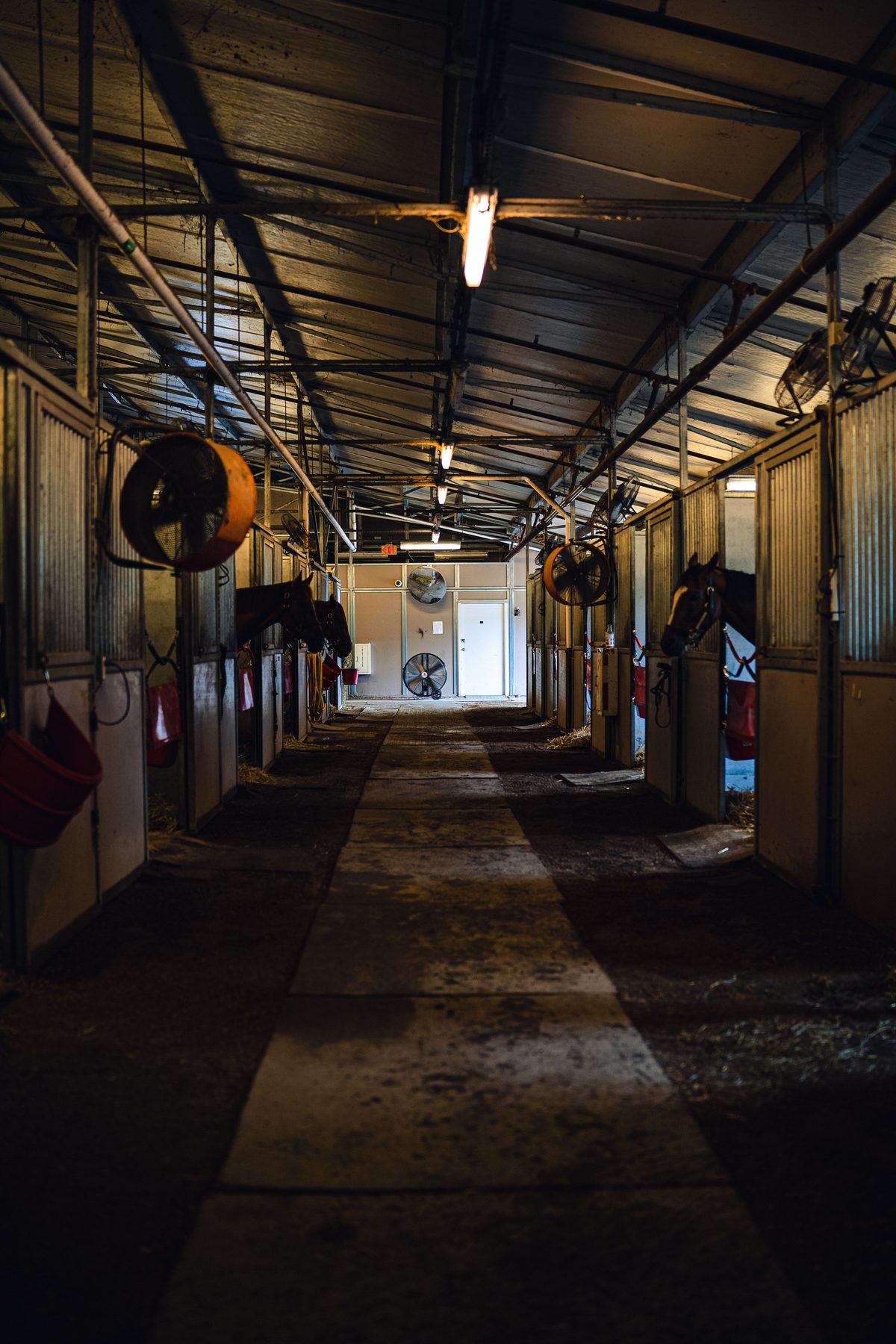
The horse in his own setting, box or field
One frame with deliberate empty space for type
Six frames done properly beat two hundred taken hopefully, and six is achievable in a morning.
Light is the whole budget
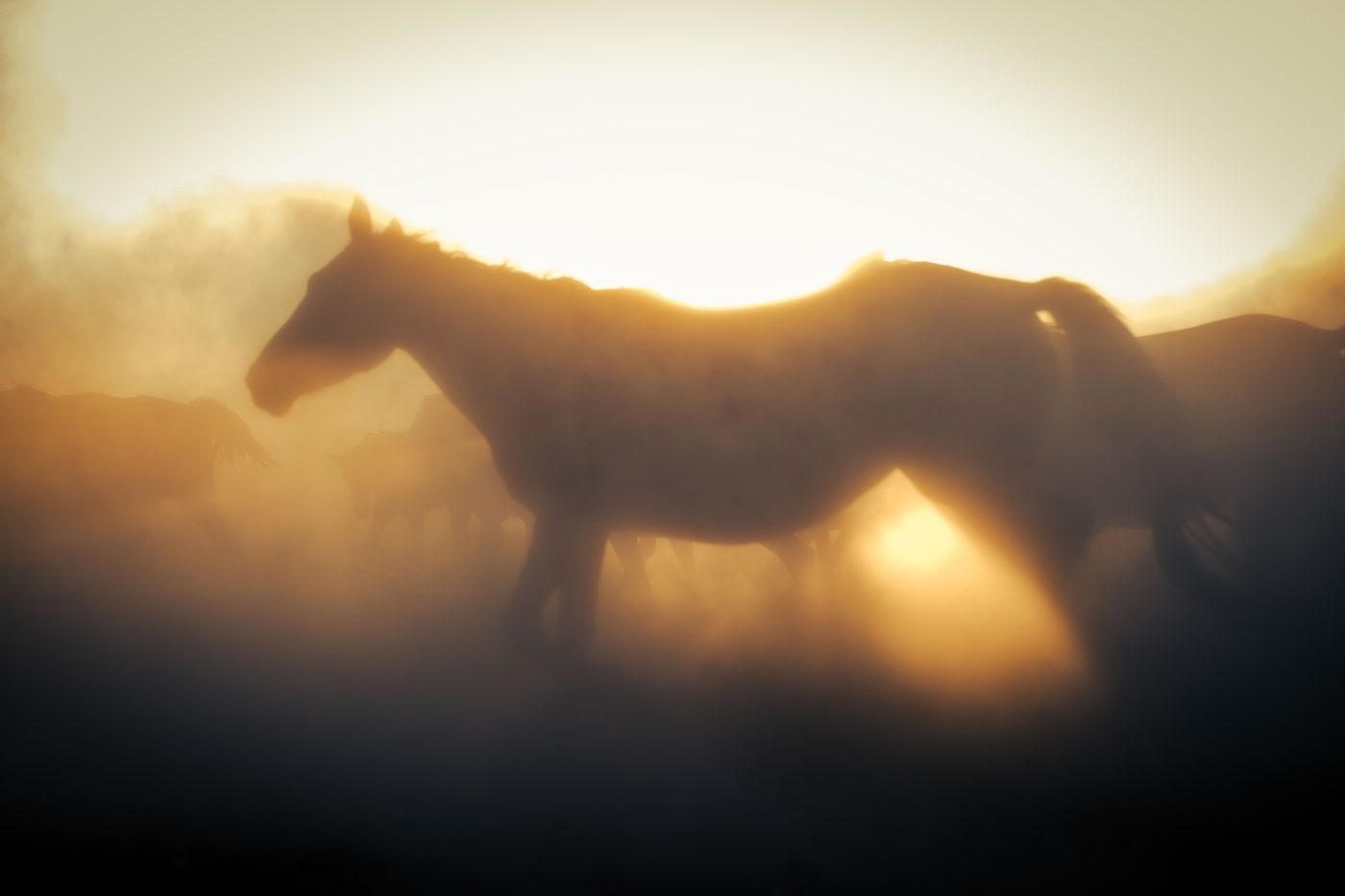
The single largest quality difference between an amateur and a professional equestrian image is the hour it was taken.
Flat midday light kills topline, flattens the quarters and turns a dark horse into a silhouette. The first and last two hours of daylight do the opposite, for free.
Which means the day is planned around the light and the horse is made available then, not the other way round.
Prepare the horse and the ground
Half of retouching is fixing things that could have been dealt with in ten minutes before the shoot.
A yard that turns up prepared gets more usable frames in less time, and the horse stays fresher for the ones that matter.
The list is short and it is always the same.
Groomed properly, with the mane laid and the feet oiled
Clean tack, or none, decided in advance
A handler in plain dark clothing, briefed to stand back
A background chosen for what is not in it
The muck heap, the tractor and the blue barrels moved
A second person to get the ears forward
Somewhere safe to let him move freely
None of it is expensive. All of it shows in the frame.
Grade the set as a set
Individually good images that do not sit together will still make a page look untidy.
So the grade is decided once and applied across the whole set, and it becomes part of the brand rather than a treatment applied photograph by photograph.
Written down, it survives the next photographer too.
Shoot for a year, not a post
A season's worth of images taken in two directed mornings is cheaper and better than a year of opportunistic shooting.
It also means the yard stops asking whether there is anything worth posting, which is a question that only ever has one answer at the wrong time of year.
Where we would start
A set of images where every one has a job, they sit together, and the horse looks like the best version of himself rather than an accident of timing.
That is a directed day. It is not a more expensive camera.
More notes