Brand
Why strong branding matters more than ever in crowded digital markets
Two operations, similar stock, similar records. One is booked out by February. The difference is almost never the horses.
Date:
Melusi Ndoro
Two operations, similar stock, similar records, thirty miles apart. One is booked out by February. The difference is almost never the horses.
Presentation is not the opposite of substance. It is how substance gets across to somebody who has not met you.
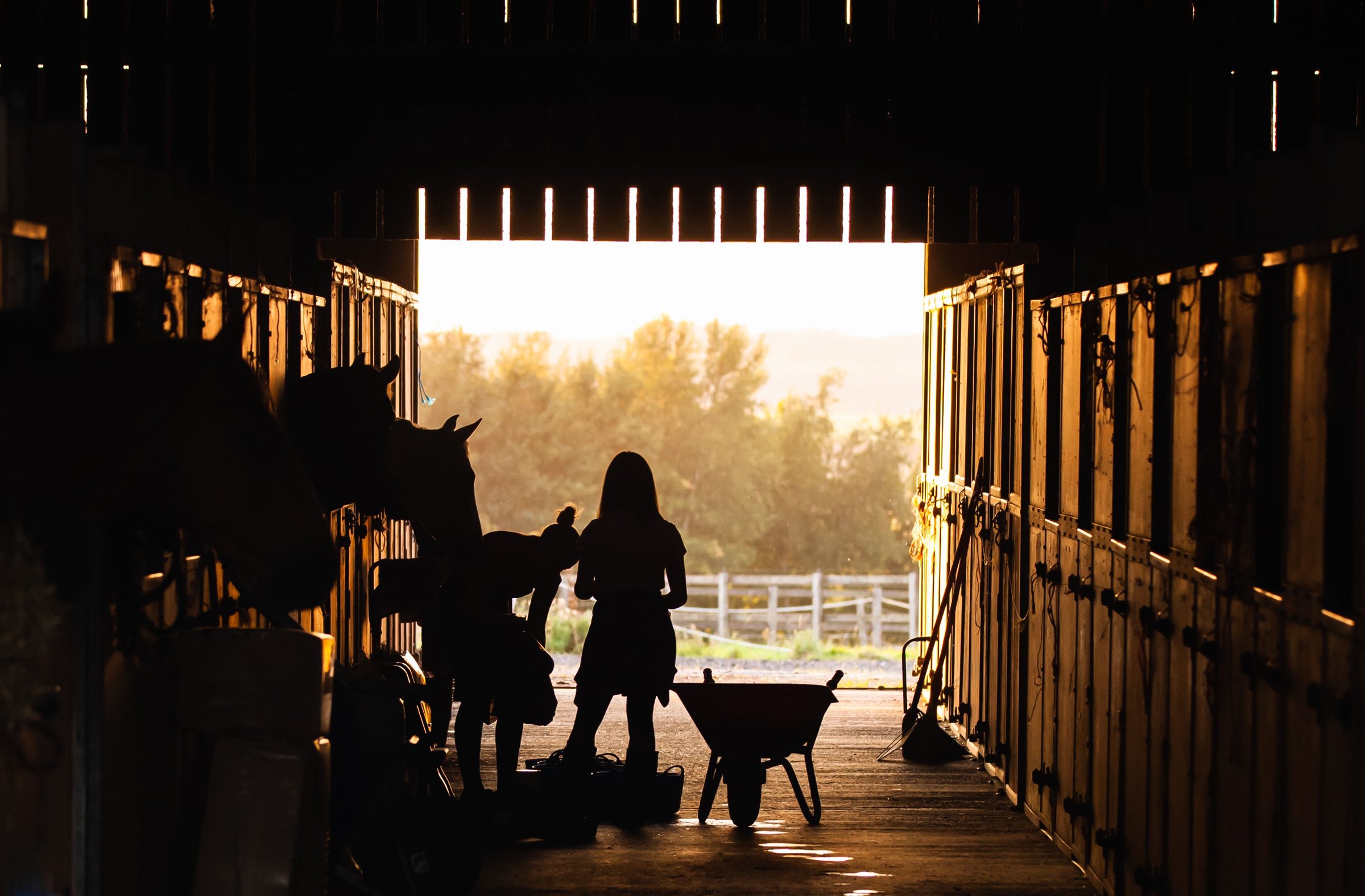
Why the better horse loses to the better-presented one
The equestrian world is unusually good at judging a horse and unusually reluctant to judge itself. A yard that would spend an hour assessing a shoulder will accept a logo made in an afternoon fifteen years ago and never look at it again.
That would not matter if buyers still arrived by introduction. Most of them now arrive by search, and the first thing they meet is not the horse.
So the operation is judged on the only evidence available, which is the presentation, and the horses never get their turn.
What a buyer reads before the horse
Long before anyone looks at a pedigree, a set of impressions has already formed, and almost all of them come from craft rather than from content.
None of these are aesthetic preferences. Each one is read as evidence about how the operation is run.
Whether the photographs were lit or grabbed
Whether the type looks chosen or defaulted to
Whether the same name and mark appear on the rug, the lorry and the site
Whether the writing is specific or borrowed from every other yard
Whether anything on the page has been updated this year
A buyer who sees care in these concludes there is care in the management. It is a shortcut, and it is usually right.
Sameness is the real competitor
Most equestrian brands are not bad. They are identical.
The same serif, the same green, the same silhouette of a horse's head, the same line about passion and dedication. Put twenty of them beside each other and the buyer cannot tell them apart, so she falls back on price and distance.
Distinctiveness is not decoration in a market this crowded. It is the only thing that lets a buyer remember which yard she liked.
Say the one true thing
Every operation has one thing it is genuinely better at, and it is usually specific enough to feel unimpressive from the inside.
Producing sane horses. Bringing them on slowly. Getting difficult mares in foal. Turning out young stock that stay sound. Owners dismiss these as ordinary because they live with them.
That ordinary thing is the brand. It is the only claim nobody thirty miles away can make in the same words.
Consistency does the compounding
A brand is worth something only when the same operation is recognised in four places without the name being read.
That is a low bar and almost nobody clears it, because the rug, the lorry, the trade stand and the website were all commissioned separately, years apart, from whoever was available.
The fix is unglamorous and it holds for years.
One mark, in versions that work small and large
One typeface, with a second only if there is a reason
A colour that is not the same green as everyone else
A photographic treatment, written down, that a hired shooter can follow
A short guide thin enough that people actually use it
Templates for the listings and the catalogue pages
The same name and spelling everywhere, including the studbook
One person who says yes or no to anything carrying the name
None of it is expensive once it exists. All of it is expensive to keep improvising.
The cost of leaving it
An undersold operation does not fail. It just works harder for less, sells slightly under, and watches the yard down the road book out first.
That gap widens quietly, and by the time it is obvious it has been priced in for several seasons.
Where we would start
Not with a logo. With the one true thing, written down in a sentence somebody outside the yard would understand.
Everything else, including the logo, is easier once that sentence exists, and almost impossible before it.
More notes